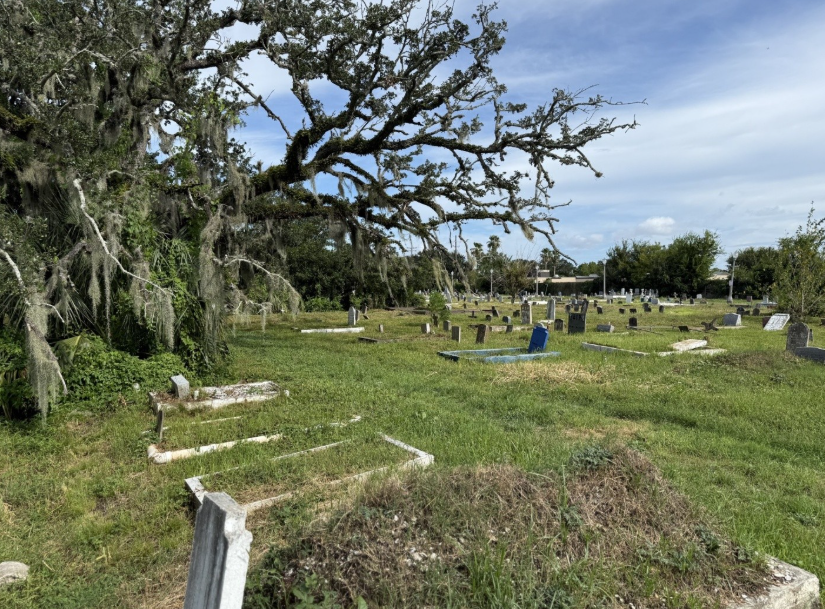
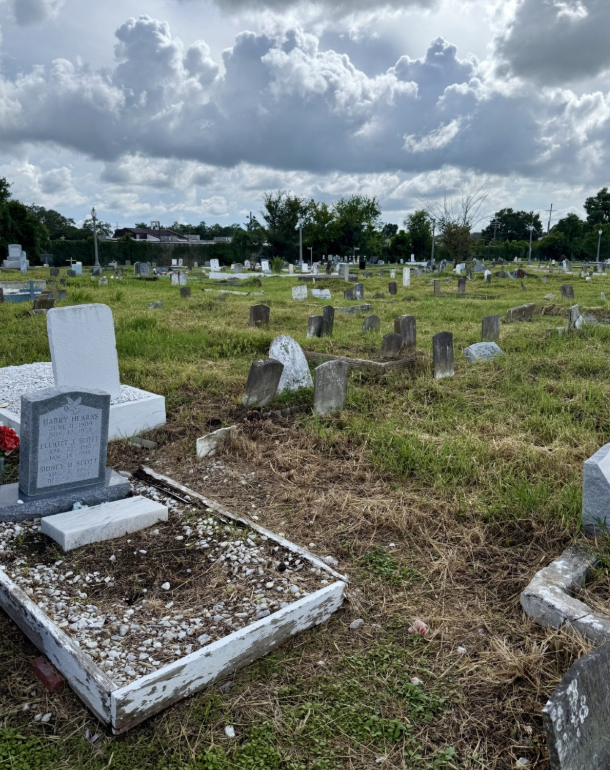
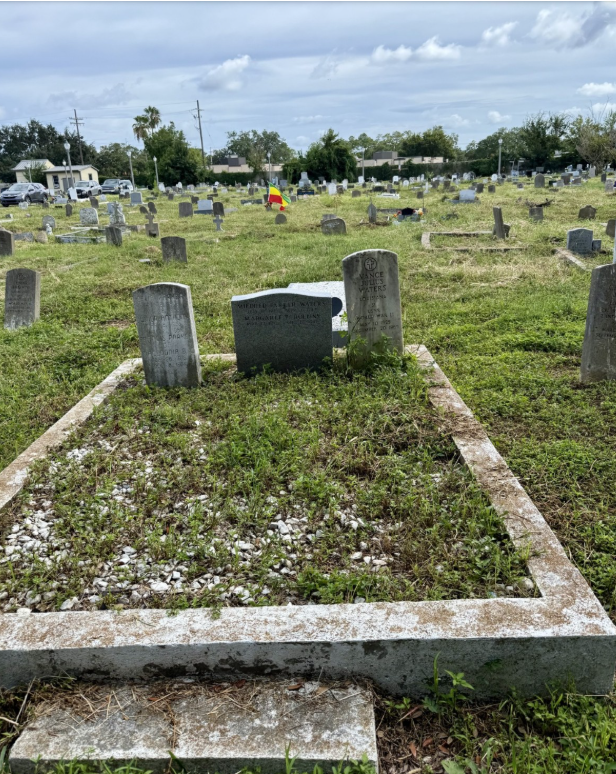
Planning efforts are underway to address flooding and preservation challenges at the historic Holt Cemetery in Mid-City. The project is supported by the Greater New Orleans Foundation and its subsidiary, the New Orleans Community Support Foundation’s, Community-Led Green Infrastructure Grantmaking Program.
Last year, the Foundation launched the grantmaking program, supported by federal funding, to support community-driven solutions that reduce flooding, improve water quality, and strengthen resilience in Southeast Louisiana’s most vulnerable communities. In round 1, the Foundation awarded $1.025 million in grants to 12 organizations across four parishes. In round 2, the Foundation will be granting up to $725,000 overall.
Wake, a nonprofit organization focused on affordable and environmentally sustainable deathcare, was awarded $50,000 in round 1 to develop solutions that improve stormwater management while protecting the cemetery’s cultural and historic significance. Wake is collaborating in this effort with Our Mammy’s History and Genealogy, Save Our Cemeteries, the City of New Orleans Division of Cemeteries, and New Orleans Parks and Parkways.
Why Holt Cemetery Matters
Established in 1879 as a potter’s field, Holt Cemetery has served generations of New Orleans families seeking affordable burial options. Over nearly 150 years, it has become the final resting place for thousands of residents, including veterans, culture bearers, and generations of families. Today, Holt remains an important cultural and historic landscape for New Orleans’ African American community.
One key partner in this process is Our Mammy’s History and Genealogy, a nonprofit organization founded by Gaynell Brady. Our Mammy’s is helping document and share the stories of those buried at Holt through community engagement, genealogy research, and educational programming. As Ms. Brady explains, “Holt is the resting place of thousands of African American people and continues to hold our community, despite overuse and underinvestment. Holt families have managed to make it a monumental landscape to Black history and culture.”
Decades of overuse have created significant challenges. Soil compaction, flooding, and inadequate drainage threaten graves throughout the cemetery. Continued burials strain a site that has long exceeded its intended capacity, creating concerns for families, preservation advocates, and city officials alike.
Honoring the Past, Protecting the Future
The current planning effort recognizes that protecting Holt’s future requires both environmental solutions and community leadership. By combining preservation, green infrastructure, historical education, and long-term planning, project partners are working toward a future where Holt Cemetery can be restored, protected, and honored.
The planning effort focuses on two related goals: improving conditions at Holt Cemetery and identifying a path toward ending new burials there by creating additional affordable burial options elsewhere. Limiting future burials would reduce pressure on the overcrowded site and create opportunities for long-term restoration and preservation.
The project partners are currently evaluating the following potential green infrastructure solutions:
- Improvements to existing drainage and culverts
- Installation of French drains to better manage stormwater
- Rain gardens incorporating native plants in areas where water frequently collects
These interventions could help reduce flooding, improve drainage, and protect burial areas from further deterioration. The challenges Holt faces present an opportunity to rethink how cemeteries can serve their communities. As large urban green spaces, intentionally designed green infrastructure can help cemeteries function as places of remembrance while also reducing flooding, managing stormwater, and improving neighborhood resilience.